In today’s world, where connections go beyond words, learning about behavioral body reading is becoming an essential skill for coaches and anyone who wants to understand human nature.
This article will show you how body analysis explains not only physical tendencies but also unconscious reactions.
Keep reading to discover what body reading can reveal about people. By the end, you’ll know which signs to watch for.
Why Study Body Analysis
It’s not just about reading others; it’s also a tool to gain self-awareness.
Even HR managers and recruiters can use body analysis in hiring decisions, gaining deeper insights into candidate personalities.
Ultimately, reading body language empowers you to lead with insight.

Methods of Behavioral Body Analysis
There are several schools within character traits body analysis, each focusing on different aspects of the human body. One popular method examines facial features to infer behavioral patterns.
Behavioral body analysis also includes nonverbal cues, which can reveal momentary emotions even when someone tries to hide their feelings.
While these methods differ in focus, they all share a common goal: to understand the link between physical form and inner world.
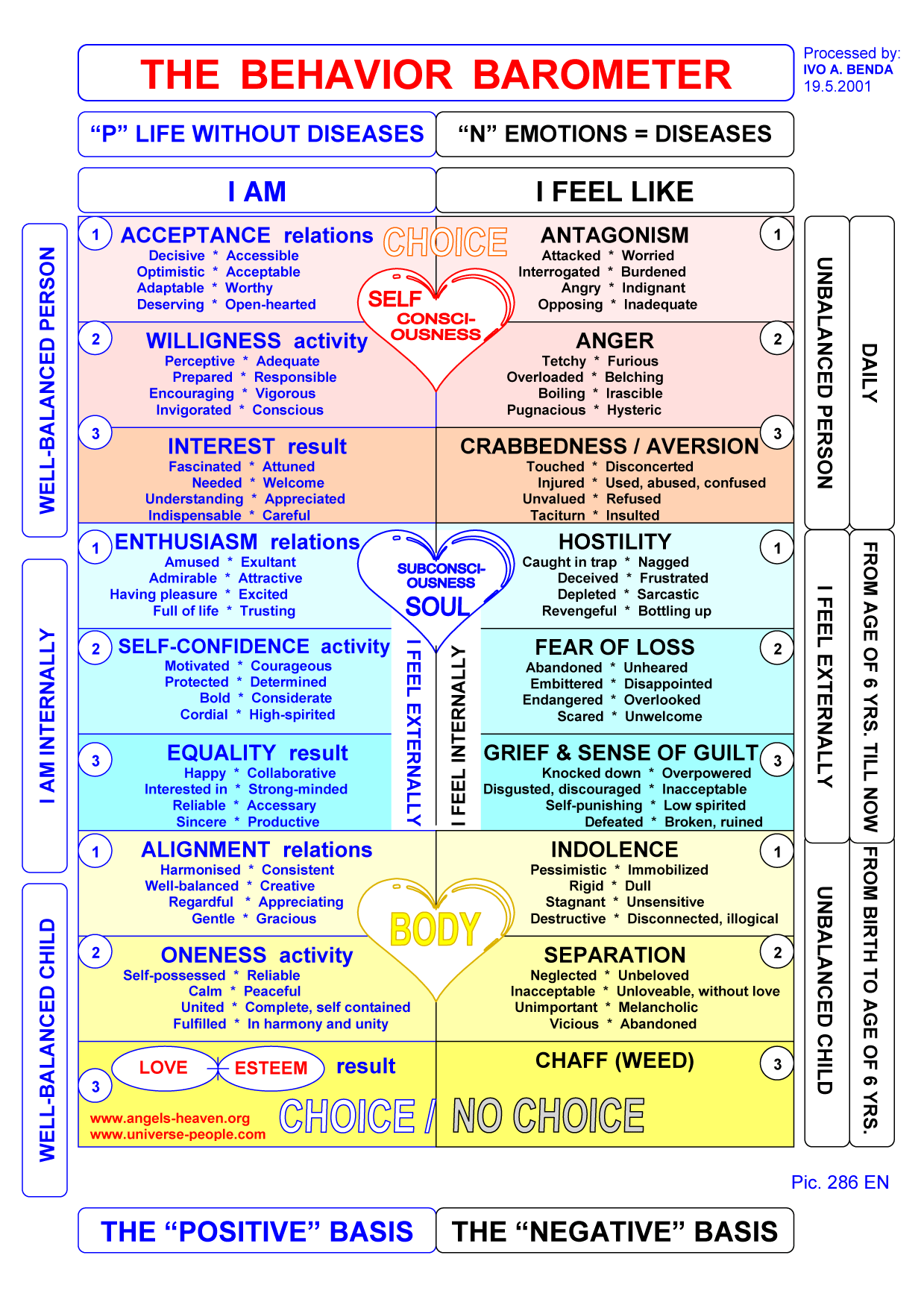
How to Apply Body Analysis
Applying behavioral body reading in real life starts with observation. Begin by noticing gestures in different contexts.
Therapists use posture and body language to assess emotional openness.
Practicing behavioral body analysis also helps in personal relationships. By paying attention to loved ones’ gestures, you may notice stress or emotional needs earlier.
What People Get Wrong About Behavioral Body Reading
A frequent misconception about behavioral body reading is that it’s a fixed system for knowing what someone feels or thinks. In reality, physical cues must be interpreted within context.
Another myth is that body analysis can fully define a person’s personality just by looking at them. While physical traits may correlate with tendencies, they don’t determine every behavior or choice.
A third misunderstanding is that body analysis is only useful for professionals like psychologists or detectives. In truth, these skills benefit anyone seeking better communication and awareness.
How the “Body Explains” Model Works
The “body analysis explains” approach gained popularity by connecting characteristics with personality tendencies. This method teaches that our physical form reveals emotional history.
In “body explains” practice, professionals observe specific zones and map them to psychological traits.
Clients working with “the body explains” methods often experience breakthroughs as they connect tension areas with emotions.
Respectful Practice of Behavioral Body Analysis
It’s important to approach body reading as a tool for empathy and understanding, not as a weapon for persuasion or power.
Body analysis should always be paired with active listening and curiosity, rather than rigid conclusions.
Ethics in body reading means creating a safe, respectful environment where observation fosters growth, not shame.
Building Competence in Behavioral Body Reading
Keep a journal to record patterns you observe, linking them to possible emotions or attitudes.
Practicing with peers or mentors can offer feedback to avoid overinterpretation or assumption.
As you develop behavioral body reading skills, aim to balance intuition and evidence.

Final Thoughts on Body Analysis
From observing facial cues to linking body structure with personality, this skill enriches both personal and professional life.
Each pathway invites us to notice the wisdom carried in our bodies and how it shapes interactions.
If you’re ready to dive deeper, consider attending workshops.
FAQ About Body Analysis
What is body analysis?
Body analysis is the practice of observing physical traits, posture, gestures, and movements to gain insights into personality, emotions, and behavioral patterns.
Can anyone learn body reading?
Yes, anyone can learn body reading with practice and guidance.
Is body analysis 100% accurate?
It provides clues and patterns but must be contextualized and combined with dialogue.
How can I use body analysis professionally?
Yes, body analysis has applications in coaching, therapy, HR, leadership, and sales.
What’s the difference between body analysis and body language reading?
Body analysis often includes interpreting physical structure, traits, and muscular development, while body language reading focuses more on gestures and movements.
link com mais detalhes ver a pagina